
Nagtibba Trek
Overview
Region :- Uttarakhand
Duration :- 3 Days
Grade :- Easy
Max Altitude :- 9930 Ft.
Approx Trekking Km :- 17 Kms.
Itinerary
Naag Tibba, also known as Nagtibba, is a popular trekking destination in the Uttarakhand region of India. Here’s a brief itinerary for a trek to Nagtibba:
Day 1: Arrival in Dehradun
– Start your journey by arriving in Dehradun, the capital city of Uttarakhand.
– Dehradun is well-connected by air, rail, and road with major cities like Delhi.
Day 2: Drive to Pantwari and Trek to Nagtibba Base Camp
– Early morning, drive from Dehradun to Pantwari, which is the starting point of the Naagtibba trek. The drive takes around 4-5 hours.
– From Pantwari, begin your trek to the Naagtibba base camp.
– The trek from Pantwari to the base camp usually takes around 4-5 hours, depending on your pace and weather conditions.
– Set up your camp at the base camp and enjoy the evening amidst the serene surroundings.
Day 3: Nagtibba Summit Day and Return to Pantwari
– Wake up early to begin your trek to the summit of Nagtibba.
– The trek to the summit takes around 3-4 hours from the base camp.
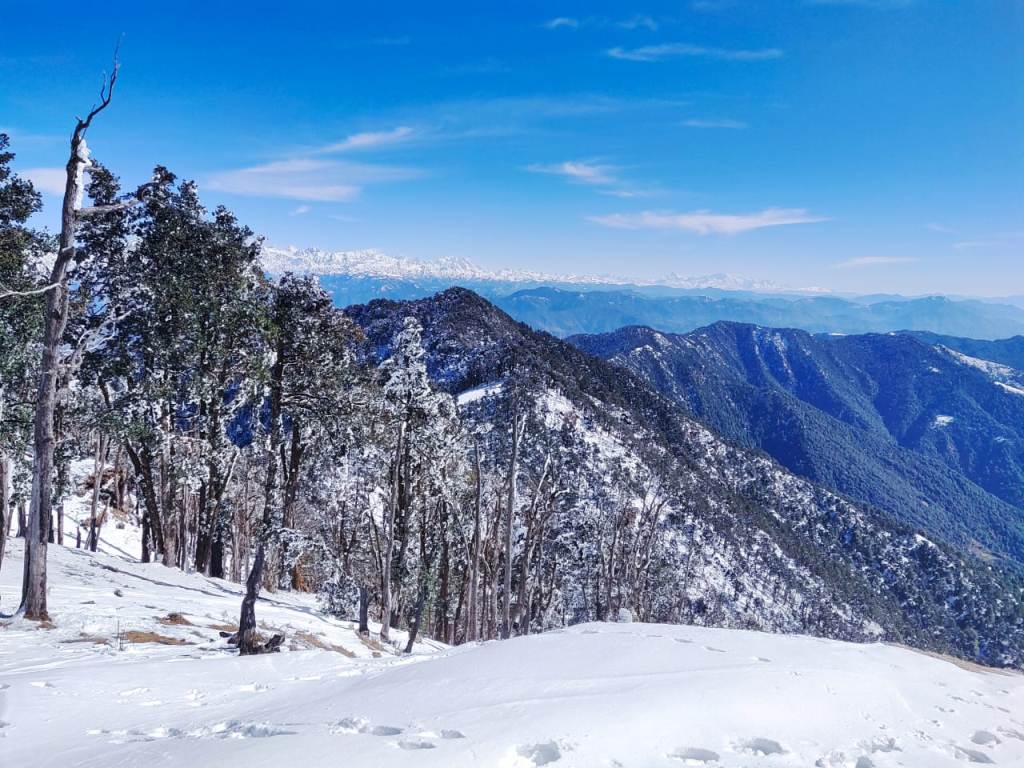
– Enjoy the breathtaking views of the Himalayas from the summit.
– Spend some time at the Nagtibba summit, take photographs, and soak in the natural beauty.
– Descend back to the base camp, have lunch, and then trek back to Pantwari.
– From Pantwari, drive back to Dehradun.
Day 4: Departure from Dehradun
– Depart from Dehradun, either by catching your return flight/train or continuing your journey to other destinations.
Note: This itinerary is subject to change based on weather conditions, trekking pace, and individual preferences. It’s essential to be adequately prepared for trekking, including having the right gear, sufficient food, water, and first aid supplies. Additionally, it’s advisable to undertake this trek with an experienced guide or as part of a guided tour for safety reasons.
Aminities
Naagtibba is a popular trekking destination in the
Uttarakhand region of India, known for its stunning views and relatively
moderate trekking difficulty. While it offers a rugged and natural experience,
it’s essential to note that amenities may be limited along the trail. Here are
some basic amenities you can expect during a trek to Naag Tibba:
- Accommodation:
– Basic
accommodation options may be available at the base camp and nearby villages
like Pantwari.
– Accommodation
options typically include tents for camping or guesthouses/lodges with basic
facilities like beds and blankets.
- Water Sources:
– Natural water
sources such as streams and springs are available along the trekking route.
– Trekkers are
advised to carry water purification tablets or water filters to ensure safe
drinking water.
- Food:
– Limited food
options may be available at the base camp and nearby villages.
– It’s advisable to
carry your own food supplies, including ready-to-eat meals, snacks, and energy
bars, as there may not be many dining options along the trail.
- Guides and Porters:
Guides are recommended for navigation and safety, especially for those unfamiliar with the
terrain.
- Medical Facilities:
– Basic medical
facilities may be available at Pantwari and nearby villages.
– Trekkers are
advised to carry a first aid kit with essential medications and supplies for
minor injuries and ailments.
- Mobile Network and Connectivity:
– Mobile network
coverage may be limited or non-existent along certain parts of the trekking
route.
– It’s advisable to
inform someone about your trekking plans and expected return time before
embarking on the journey.
- Restrooms:
– Restroom
facilities may be limited to basic pit toilets or natural spots along the
trail.
– Trekkers should
be prepared to practice proper waste disposal and hygiene practices.
- Waste Disposal:
– Trekkers are
expected to practice responsible waste disposal by carrying out all
non-biodegradable waste and disposing of it properly at designated locations.
It’s important to note that Naag Tibba is a wilderness area,
and trekkers should be prepared for a rugged outdoor experience. It’s
recommended to check weather conditions, pack appropriate clothing and gear,
and plan ahead for a safe and enjoyable trekking experience.
Safety requirements for trekking — Altitude wise
Trekking to Naag Tibba involves ascending to moderate altitudes, and it’s essential to prioritize safety to ensure an enjoyable and risk-free experience. Here are some safety requirements to consider, categorized by altitude zones:
Low Altitude (Pantwari to Base Camp):
- Physical Fitness: While trekking in the lower altitude range, maintaining a good level of physical fitness is still important. Regular cardiovascular exercise can help prepare for the trek.
- Hydration: Even at lower altitudes, staying hydrated is crucial. Carry an adequate supply of water and drink regularly to prevent dehydration.
- Sun Protection: Apply sunscreen and wear sunglasses and a hat to protect yourself from the sun’s strong rays.
- Footwear: Wear comfortable and sturdy trekking shoes with good grip to navigate the terrain safely.
- Navigation: Pay attention to trail markers and signs to avoid getting lost, especially in dense forests or areas with multiple trails.
Moderate Altitude (Base Camp to Summit):
- Acclimatization: As you ascend to higher altitudes, take breaks to acclimatize to the thinner air. Ascend gradually to allow your body to adjust to the altitude.
- Altitude Sickness Awareness: Be aware of the symptoms of altitude sickness, including headache, nausea, dizziness, and fatigue. Descend immediately if you or any member of your group experiences severe symptoms.
- Proper Clothing: Dress in layers to adjust to changing temperatures. Carry warm clothing, including a thermal jacket, gloves, and a hat, as temperatures can drop significantly at higher altitudes.
- Emergency Supplies: Carry a first aid kit, emergency shelter (such as a lightweight tent or emergency blanket), and communication devices (such as a fully charged mobile phone or satellite phone) in case of emergencies.
- Group Safety: Trek with a group or hire a local guide who is familiar with the terrain and can provide assistance in case of emergencies.
High Altitude (Summit):
- Summit Attempts: Make summit attempts early in the day to avoid afternoon storms and allow ample time for descent.
- Oxygen Levels: Be mindful of oxygen levels at higher altitudes. Pace yourself, and avoid overexertion to prevent altitude-related illnesses.
- Weather Monitoring: Keep an eye on weather conditions and be prepared to turn back if conditions deteriorate.
- Emergency Response: Have a plan in place for emergency evacuation in case of severe altitude sickness or other medical emergencies.
By following these safety requirements and guidelines, trekkers can minimize risks and enjoy a safe and memorable trekking experience to Naag Tibba.