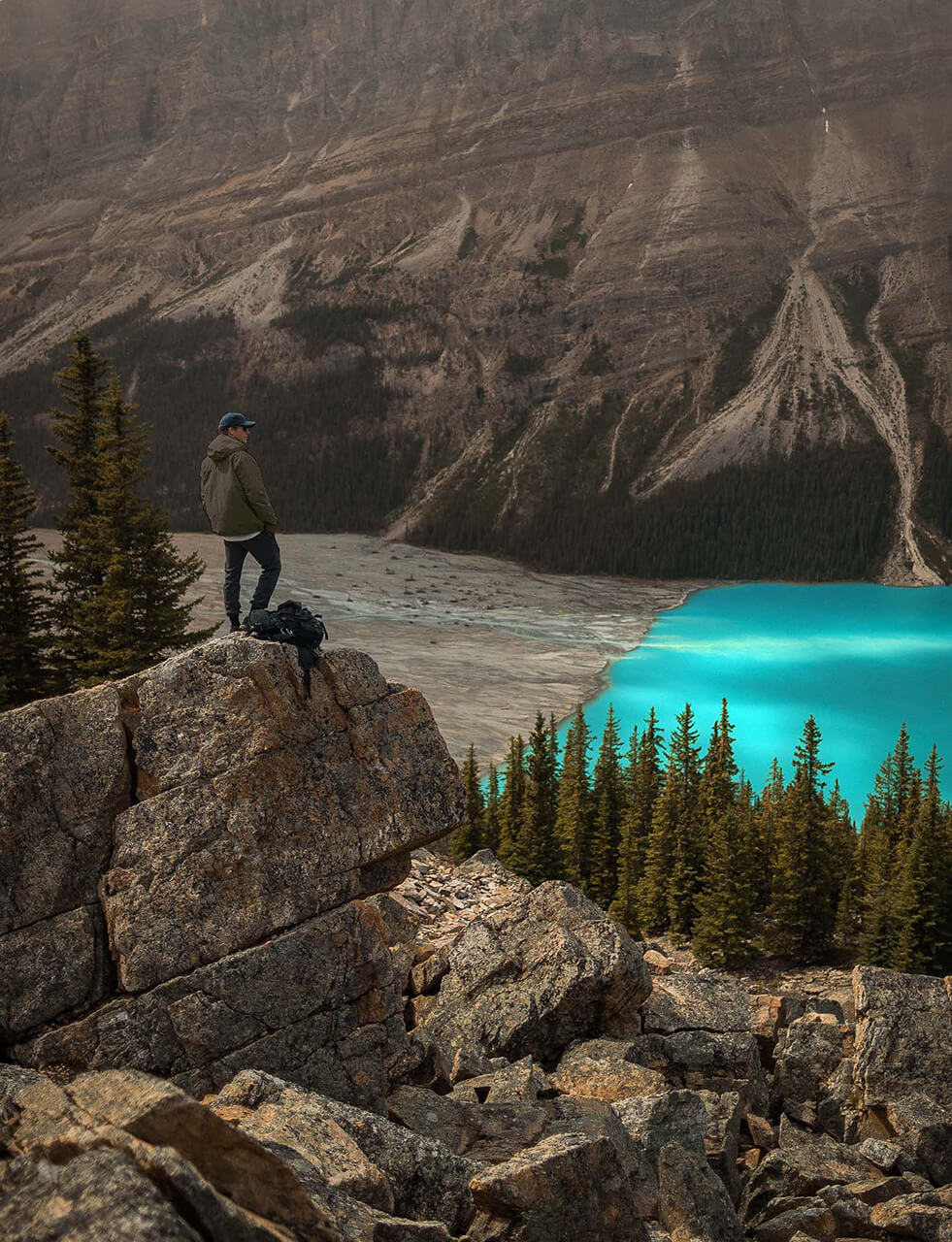
Harkidun
Harkidun Overview
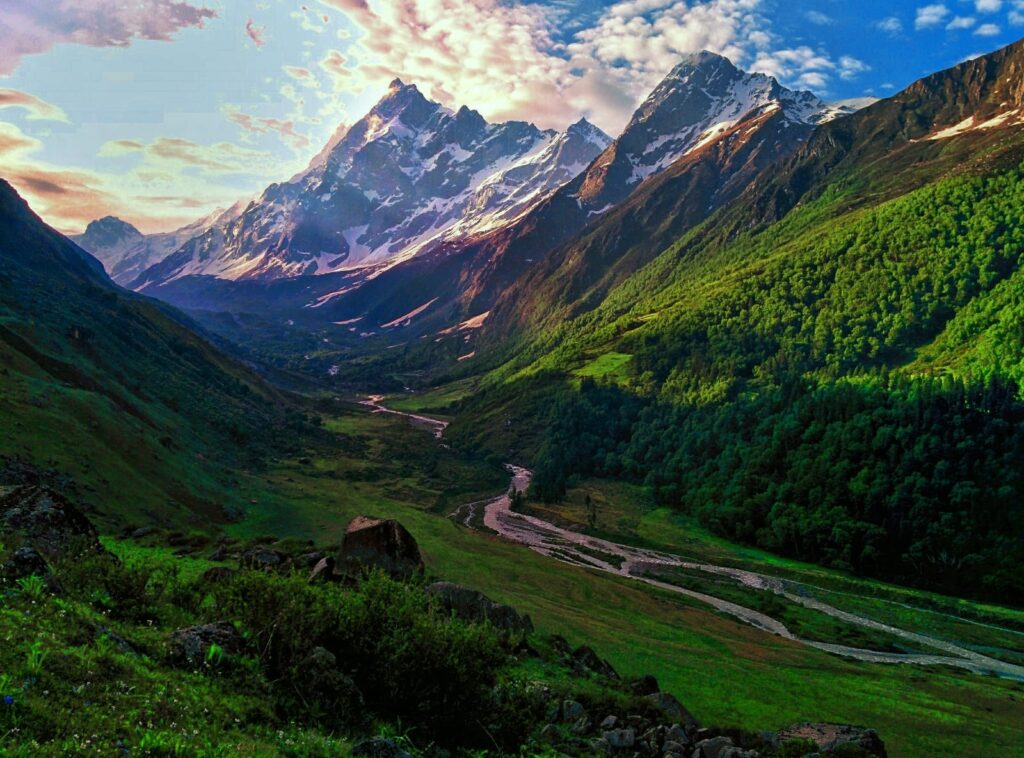
Harkidun, a picturesque valley nestled in the Garhwal Himalayas, offers breathtaking views of snow-capped peaks, lush meadows, and pristine forests. Popular among trekkers, it is known for its serene ambiance, diverse flora and fauna, and stunning landscapes, making it a must-visit destination for nature lovers in Uttarakhand, India.
Itinerary
Day 1: Dehradun to Sankri (Starting Point of Trek)
Drive from Dehradun to Sankri, a scenic village nestled in the Uttarkashi district of Uttarakhand.
The journey takes around 8-10 hours by road.
Check into a guesthouse or hotel upon arrival in Sankri.
Spend the evening exploring the village and its surroundings.
Overnight stay in Sankri.
Day 2: Sankri to Taluka, Trek to Seema/Osla
After breakfast, begin the trek from Sankri to Taluka (approximately 11 km).
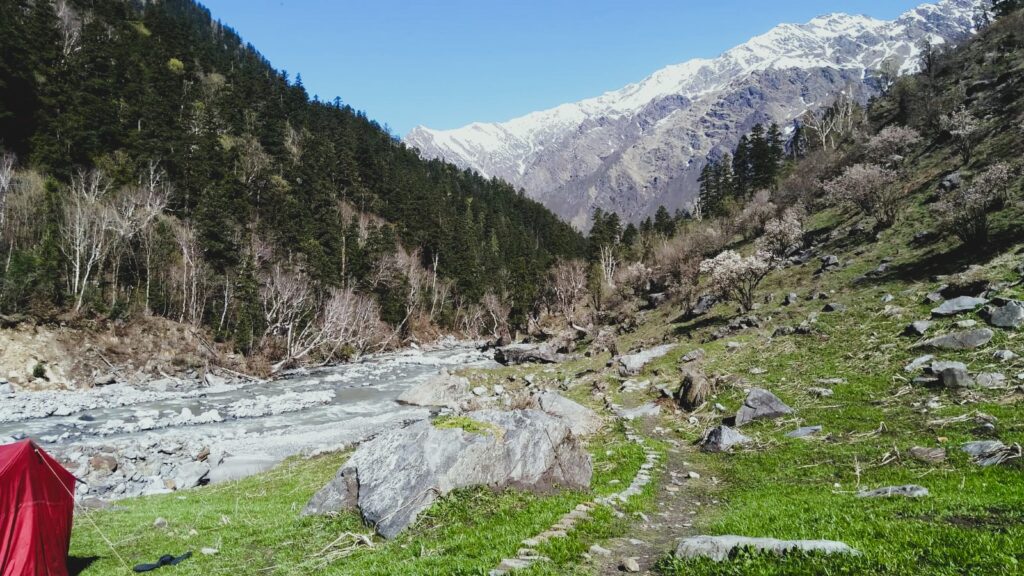
The trail passes through dense forests, crossing several streams and small villages.
Upon reaching Taluka, take a short break and have lunch.
Afterward, continue trekking towards Seema or Osla village (approximately 12 km from Taluka).
Both Seema and Osla are charming villages with traditional wooden houses and terraced fields.
Overnight stay in Seema or Osla.
Day 3: Seema/Osla to Har Ki Dun
Start the trek towards Har Ki Dun Valley, which is approximately 11 km from Seema/Osla.
The trail gradually ascends through forests of pine, oak, and rhododendron.
En route, enjoy panoramic views of the surrounding mountains and valleys.
Reach Har Ki Dun Valley, a picturesque meadow surrounded by snow-capped peaks.
Set up camp in the valley and spend the rest of the day exploring the area.
Overnight camping in Har Ki Dun.
Day 4: Exploration Day in Har Ki Dun Valley
This day is reserved for exploring the Har Ki Dun Valley and its surroundings.
Trek to nearby viewpoints for stunning panoramic views of the valley and surrounding peaks.
Explore the meadows, visit the Jaundhar Glacier, and enjoy the serene beauty of the landscape.
Take plenty of photographs and immerse yourself in the tranquility of the Himalayas.
Return to the campsite in Har Ki Dun for dinner and overnight stay.
Day 5: Har Ki Dun to Seema/Osla
After breakfast, start the return trek from Har Ki Dun to Seema/Osla.
Trek back along the same route, enjoying the scenic beauty of the trail.
Reach Seema/Osla by late afternoon and relax at the campsite or guesthouse.
Overnight stay in Seema/Osla.
Day 6: Seema/Osla to Sankri
Begin the trek from Seema/Osla to Taluka (approximately 12 km).
Upon reaching Taluka, have lunch and rest for a while.
From Taluka, drive back to Sankri (approximately 11 km trek followed by a 1-hour drive).
Check into your accommodation in Sankri and relax after the trek.
Overnight stay in Sankri.
Day 7: Sankri to Dehradun
After breakfast, bid farewell to Sankri and start the journey back to Dehradun.
The drive from Sankri to Dehradun takes around 8-10 hours.
Upon reaching Dehradun, you can either continue your onward journey or spend the night in the city.
This itinerary offers a comprehensive experience of the Har Ki Dun trek, allowing you to immerse yourself in the natural beauty and tranquility of the Himalayas.

Aminities
The amenities available on the Harkidun trek can vary depending on the specific trekking route and the tour operator you choose. However, here are some common amenities you might find:
1.Camping Facilities: Basic camping facilities including tents, sleeping bags, and mattresses are often provided.
2. Food and Water: Most trekking packages include meals and clean drinking water during the trek. The meals are typically simple and nutritious, catering to various dietary preferences.
3. Guide and Support Staff: Experienced trekking guides and support staff accompany trekkers throughout the journey to ensure safety and provide guidance.
4.Cooking Staff: Some trekking groups have dedicated cooking staff who prepare meals during the trek.
5.Safety Equipment: Basic safety equipment such as first aid kits, emergency oxygen cylinders, and communication devices may be provided.
6.Porters/Mules: Porters or mules are often available to carry luggage and equipment, making the trek more manageable for trekkers.
7.Restrooms: Depending on the trekking route, basic restroom facilities or portable toilets may be available at camping sites.
8.Medical Assistance: In case of emergencies, trekking groups may provide basic medical assistance or evacuation arrangements.
9.Information Sessions: Guides often conduct information sessions about the trekking route, safety guidelines, and local flora and fauna.
It’s essential to check with your tour operator regarding the specific amenities included in your trekking package and to be prepared with any additional personal items you may need for the journey.